The Green Building Revolution: A Sustainable Approach by Green Donor EERC India
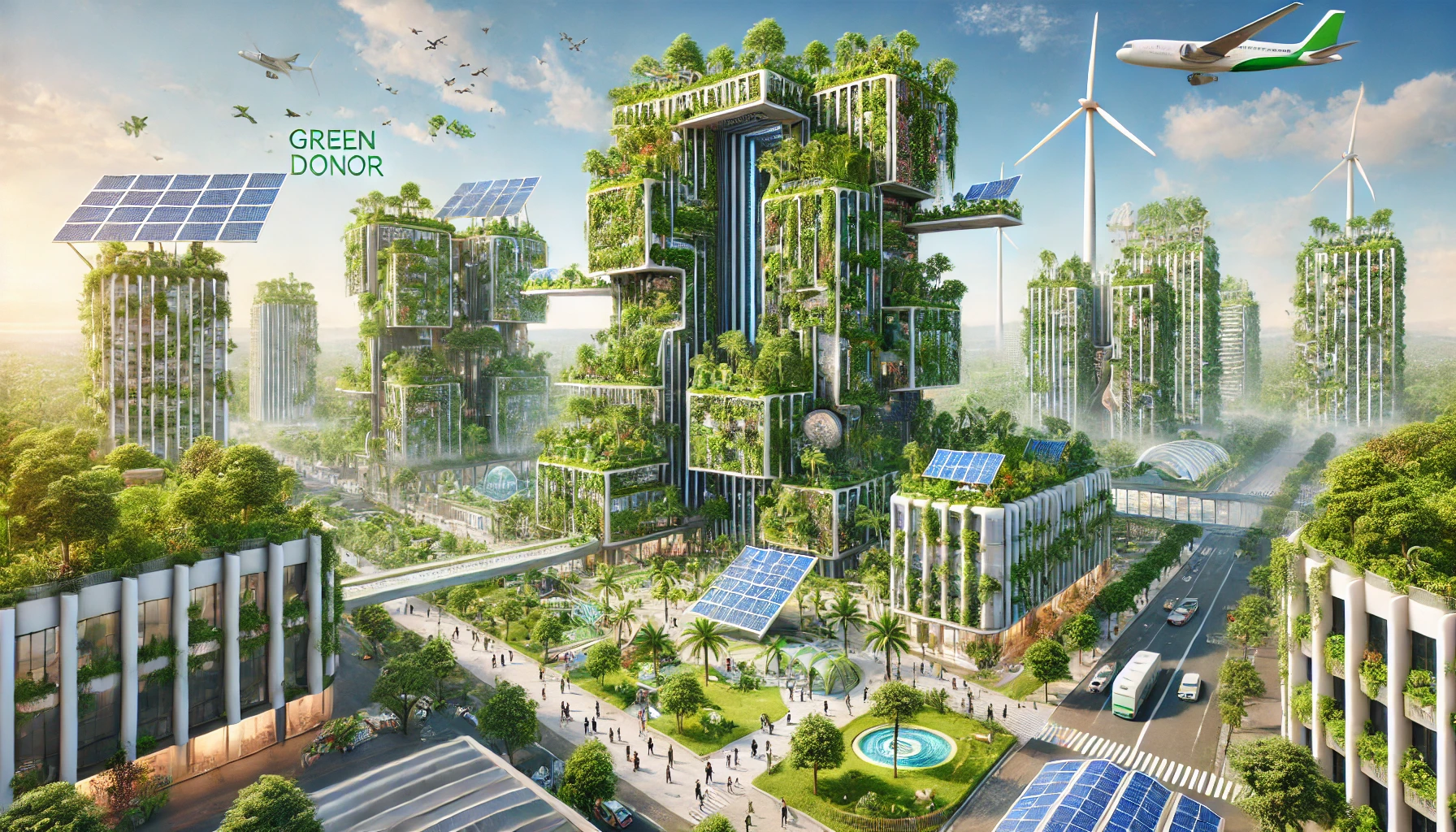
The Green Building Revolution: A Sustainable Approach by Green Donor EERC India
As we progress further into the 21st century, the call for sustainable development and eco-friendly practices grows louder. Responding to this imperative is the Green Donor EERC India, an initiative that promotes the concept of sustainable and eco-conscious development through green buildings, green architecture, and sustainable design.
Understanding Green Buildings
A Green Building is much more than a structure; it’s a space that harmonizes with its environment. Unlike traditional buildings, green buildings are designed to minimize environmental impact, optimize resource use, and improve the well-being of occupants. The idea is simple yet profound – buildings that live in harmony with the planet rather than exploiting it.
Key Principles of Green Building Design
Green building design operates on five core principles that shape every phase of construction and operation:
1. Energy Efficiency: Integrating renewable energy sources such as solar, wind, and geothermal power reduces the dependency on fossil fuels. Advanced systems, like energy-efficient HVAC and lighting, cut down energy consumption significantly.
2. Water Conservation: Green buildings utilize water-saving fixtures, rainwater harvesting, and efficient landscaping. Some even incorporate greywater recycling, which is the process of reusing water from sinks and showers for irrigation, leading to a sustainable water cycle within the building.
3. Sustainable Materials: Choosing materials with a low environmental footprint is central to green building. This includes recycled, reclaimed, or rapidly renewable materials. By reducing the reliance on newly extracted resources, these buildings lessen their environmental impact.
4. Indoor Air Quality: Healthier indoor environments are achieved by using non-toxic, low-VOC (Volatile Organic Compounds) materials and ensuring good ventilation. This aspect is especially significant, as indoor air quality directly affects the health and productivity of occupants.
5. Site and Land Use Optimization: Thoughtful site selection and design enhance biodiversity, reduce transportation emissions, and integrate the building within its natural surroundings, encouraging a seamless relationship between the structure and its environment.
The Concept of Green Architecture
Also known as Sustainable Architecture, green architecture brings an eco-friendly approach to building design. It goes beyond functionality and aesthetics to focus on creating buildings that are not only energy-efficient but also eco-conscious. The aim is to reduce the building’s ecological footprint, from its construction to its day-to-day operations.
Green architecture emphasizes:
• Adaptive Reuse and Retrofitting: Using existing structures or redesigning older buildings to incorporate modern, sustainable features.
• Biophilic Design: Bringing nature indoors through plants, natural lighting, and water features to foster a connection with the environment.
• Passive Design: Orienting the building for maximum natural lighting and ventilation, which reduces reliance on artificial systems.
Sustainable Design: The Foundation of Eco-Friendly Living
Sustainable Design is a holistic approach that meets present needs without sacrificing future generations. The process involves thoughtful material selection, resource conservation, and strategic planning, including elements like renewable energy integration, waste minimization, and water recycling. Sustainable design ensures a building’s longevity and adaptability while maintaining minimal environmental impact.
Green Building Certifications and Standards in India
Green buildings can achieve various certifications, reflecting their compliance with sustainability standards. Notable certifications include:
• LEED (Leadership in Energy and Environmental Design): An international certification focusing on energy efficiency, water usage, and indoor air quality.
• IGBC (Indian Green Building Council): India’s homegrown certification that promotes green practices tailored to the country’s needs.
• GRIHA (Green Rating for Integrated Habitat Assessment): An India-specific rating system assessing the environmental performance of buildings.
These certifications highlight a building’s green attributes, offering validation that the building meets stringent environmental and sustainability criteria.
Green Donor EERC India’s Vision for Sustainable Future
Green Donor EERC India champions green buildings as part of its broader environmental mission. By promoting educational programs, awareness campaigns, and partnerships, Green Donor EERC India aims to establish sustainable practices as the standard rather than the exception. The organization advocates a multidisciplinary approach, encouraging architects, engineers, urban planners, and policymakers to work together towards a more sustainable future.
Their core vision extends beyond individual buildings to the larger urban fabric, focusing on eco-friendly infrastructure, sustainable communities, and resilient ecosystems. Green Donor EERC India is committed to fostering a future where green architecture and sustainable design become integral to India’s developmental blueprint.
The Way Forward: Embracing Green Buildings
The future of urban development rests on the pillars of sustainability, and green buildings represent a powerful shift toward a more responsible and eco-conscious approach. Through green architecture, sustainable design, and the leadership of organizations like Green Donor EERC India, we can create buildings that benefit both people and the planet, embodying the principle that development and environmental stewardship can go hand in hand.
Green buildings are more than a trend; they are a necessity for our planet’s health and our future generations. The work of Green Donor EERC India serves as a beacon, guiding India towards a more sustainable future, one green building at a time.